
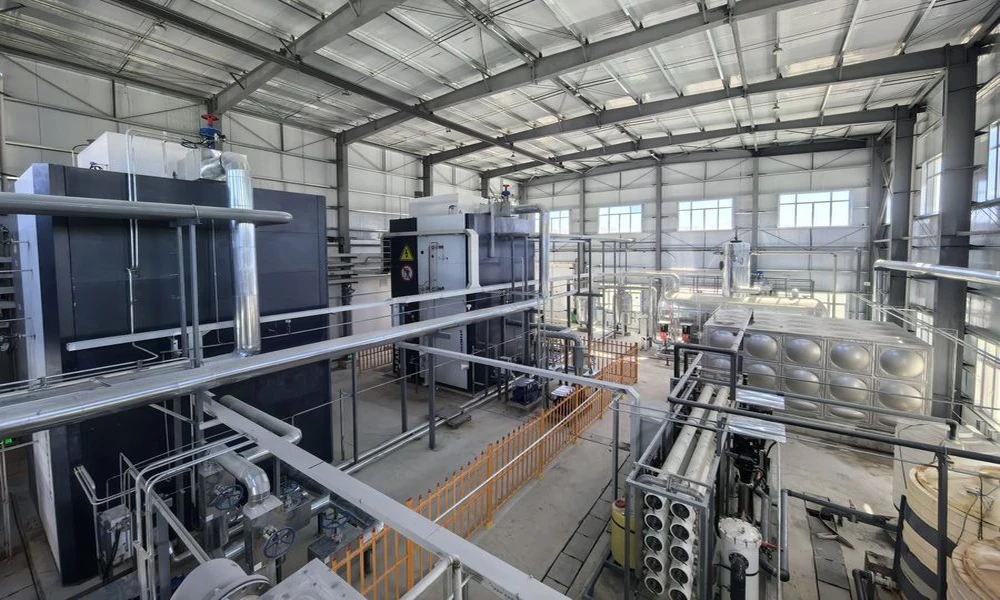
High Voltage Electrode Boilers are advanced industrial heating systems designed to generate steam using electrical energy instead of traditional fossil fuels. These boilers are increasingly being adopted across industries that require clean, efficient, and controllable steam production. With rising energy demands and stricter environmental regulations, High Voltage Electrode Boilers offer a sustainable alternative for modern industrial operations.
What Are High Voltage Electrode Boilers?
High Voltage Electrode Boilers use electricity to directly heat water through high-voltage electrodes submerged in water. When electrical current passes through the water, it generates heat due to the natural resistance of the water itself. This process converts electrical energy into thermal energy, producing steam efficiently and with minimal energy loss. Unlike conventional boilers, they do not rely on combustion, making them cleaner and safer for many applications.
The core advantage of High Voltage Electrode Boilers lies in their simplicity and efficiency. With fewer mechanical components, they require less maintenance and offer highly reliable performance in continuous industrial environments.
How High Voltage Electrode Boilers Work
The operation of High Voltage Electrode Boilers is based on the principle of electrical resistance heating. Water inside the boiler acts as a conductive medium. When high voltage is applied between electrodes, current flows through the water, instantly generating heat. This heat raises the water temperature until it converts into steam.
One of the key features of High Voltage Electrode Boilers is their ability to adjust steam output quickly. By controlling the electrical input, operators can precisely regulate steam production, making these systems ideal for industries with fluctuating demand.
Advantages of High Voltage Electrode Boilers
There are several advantages to using High Voltage Electrode Boilers in industrial settings:
- High Efficiency: Nearly 100% of electrical energy is converted into heat.
- Low Emissions: No combustion means zero direct greenhouse gas emissions.
- Fast Response Time: Steam generation can be adjusted almost instantly.
- Compact Design: Requires less physical space compared to traditional boilers.
- Reduced Maintenance: Fewer moving parts lead to lower operational costs.
These benefits make High Voltage Electrode Boilers a preferred choice for industries aiming to improve energy efficiency and reduce environmental impact.
Applications of High Voltage Electrode Boilers
High Voltage Electrode Boilers are widely used across multiple industries. They are commonly found in power plants, chemical processing units, food and beverage production, and district heating systems. Their ability to provide clean and controllable steam makes them particularly useful in environments where precision and reliability are essential.
In addition, many renewable energy systems integrate High Voltage Electrode Boilers to store excess electricity in the form of thermal energy, improving overall grid stability.
Safety and Operational Considerations
While High Voltage Electrode Boilers are highly efficient, they must be operated with proper safety measures due to the use of high voltage electricity. Modern systems are equipped with advanced control systems, insulation, and safety shut-off mechanisms to ensure safe operation.
Proper water quality management is also important, as conductivity levels directly affect performance. Regular monitoring ensures optimal efficiency and extends the lifespan of the system.
Conclusion
High Voltage Electrode Boilers represent a significant advancement in industrial steam generation technology. Their efficiency, environmental benefits, and operational flexibility make them a strong alternative to conventional fuel-based boilers. As industries continue to shift toward sustainable energy solutions, High Voltage Electrode Boilers are expected to play an increasingly important role in future energy systems.