
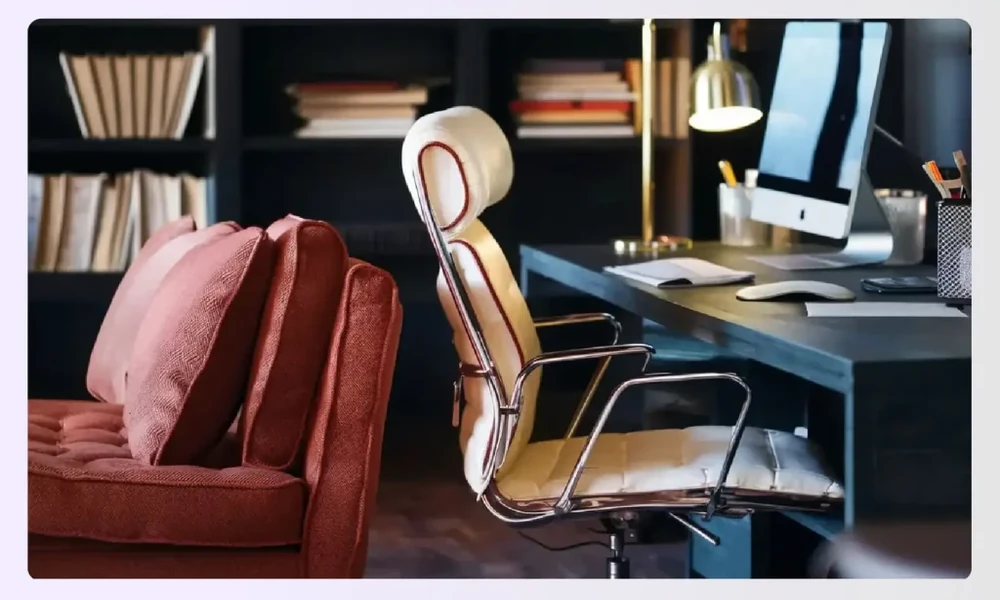
A well-designed home office should do more than look tidy. It needs to support the way you actually work, whether that means spending hours at a laptop, joining video calls, handling creative projects, or simply catching up on emails. Choosing the right furniture is an important starting point, and investing in comfortable home office chairs can make a noticeable difference in how your workspace feels throughout the day.
Comfort, however, is only one part of the equation. The best home offices combine supportive furniture, practical organisation, good lighting, and a layout that makes everyday tasks feel straightforward. With a few thoughtful choices, even a small corner of a room can become a productive and inviting place to work.
Start With the Way You Work
Before buying furniture or deciding on a color scheme, think about what your working day actually looks like. Someone who spends most of the day on video calls will have different requirements from someone working with paperwork, design materials, or multiple monitors.
Consider how much desk space you need, where your equipment will sit, and whether you regularly move between tasks. If your work involves long periods at a computer, your chair and desk deserve particular attention. If you frequently use notebooks, documents, or other materials, accessible storage can help prevent your workspace from becoming cluttered.
Designing around your routine rather than simply following a particular interior trend will make the office more practical in the long term.
Choose a Desk That Fits the Space
The desk is naturally one of the main features of a home office, but bigger is not always better. A large desk can dominate a small room, while a compact design may leave you constantly searching for space.
Measure the available area before making a decision, including the distance needed to move comfortably around the desk. Think about where cables, chargers, and other equipment will go as well. A clean surface is easier to work on, so consider desks with drawers, shelves, or simple cable-management solutions if you need additional organisation.
The height of the desk matters too. Ideally, your screen should sit at a comfortable viewing level, while your arms can rest naturally when using the keyboard and mouse.
Make Your Chair a Priority
A chair is one of the pieces of furniture you interact with most during the working day, so it should not be treated as an afterthought. Look for a design that provides suitable support and allows you to maintain a comfortable sitting position.
Adjustability can be particularly useful because everyone’s proportions and preferences are different. Features such as seat height, back support, and arm positioning can help you create a setup that feels more natural.
It is also worth considering the visual character of the room. A home office does not need to look like a traditional corporate workspace. A well-designed chair can provide practical support while complementing the wider interior.
Get the Lighting Right
Good lighting can completely change the atmosphere of a workspace. Whenever possible, position the desk near a source of natural light without placing your screen directly in front of a bright window.
Natural daylight can make the room feel more open, while a desk lamp provides additional illumination when daylight fades. Choose lighting that allows you to see your workspace clearly without creating distracting reflections on your screen.
Layering different sources of light can also make the office feel less stark, particularly if the room doubles as another part of the home.
Keep Organisation Simple
An organised workspace does not necessarily mean everything has to be hidden away. The goal is to make frequently used items easy to reach while keeping unnecessary clutter under control.
Use shelves, drawers, trays or small organisers according to what you actually need. Try to give everyday essentials a designated place so that tidying up at the end of the day takes only a few minutes.
Managing cables is another small improvement that can have a surprisingly large visual impact. Keeping wires gathered and routed neatly can make the entire workspace feel calmer.
Add Personality Without Creating Distractions
A home office should still feel like part of your home. Artwork, books, plants, photographs or carefully chosen accessories can make the space more personal and enjoyable to spend time in.
The key is balance. Too many decorative objects can quickly take up valuable desk space or make the room feel busy. Choose a few things that genuinely make the space feel comfortable rather than decorating simply for the sake of it.
Color can also influence the atmosphere. Soft, neutral shades can create a calm backdrop, while subtle touches of stronger colour can add character without overwhelming the room.
Design for Your Everyday Routine
The most successful home office is not necessarily the one with the most expensive furniture or the most carefully styled interiors. It is the one that makes everyday work easier.
Think about how you sit, where you place your essentials, how you use your technology, and what helps you stay focused. Once those practical details are right, aesthetic choices become much easier.
A comfortable chair, suitable desk, effective lighting, and sensible storage can create a workspace that supports productivity without sacrificing the feeling of being at home. By designing around your own habits and needs, you can create an office that feels considered, comfortable, and genuinely useful every day.
Conclusion
Creating a comfortable home office is ultimately about finding the right balance between practicality, comfort, and personal style. A supportive chair, suitable desk, effective lighting, and sensible storage can make everyday work feel more manageable while helping the space remain welcoming.
Rather than trying to recreate a corporate office at home, focus on what works for your routine. When your workspace is designed around the way you actually work, it can become a productive part of your home without losing its warmth and personality.