
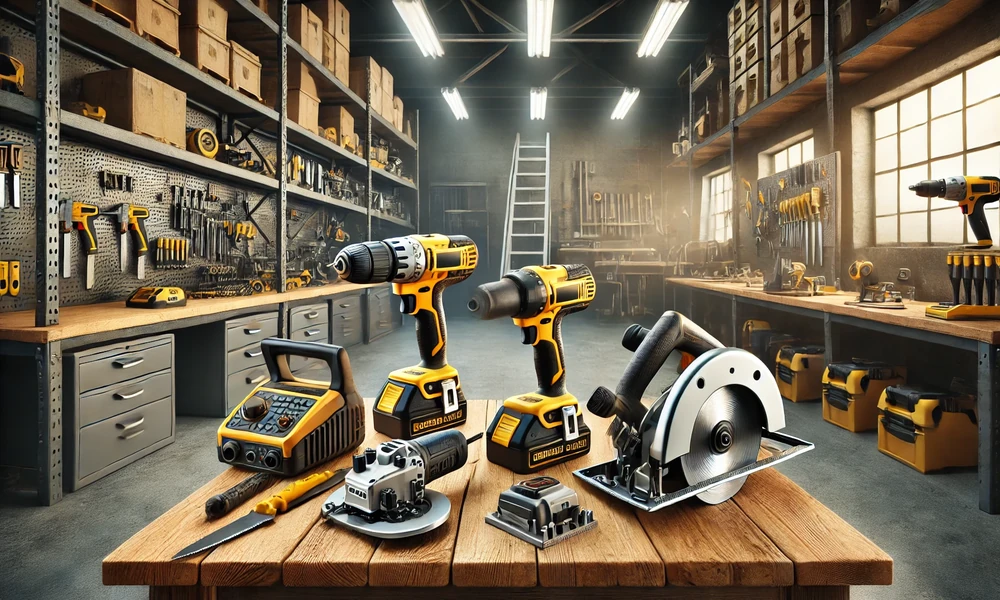
A seasoned carpenter knows when a tool fails unexpectedly, the entire project grinds to a halt. But tool failure is rarely about bad luck. It almost always comes down to how that tool is treated, day in and day out.
Why Tool Maintenance Matters: Real-World Impact on Longevity
A power drill that should last a decade winds up in the trash after two years. Why? Neglect. Regular cleaning, smart usage, and timely maintenance are the dividing lines between a tool that becomes a trusty companion and one that lets you down mid-job. For contractors and DIYers alike, tool investments are substantial. Protecting those investments pays off in more ways than just saving money.
Common Causes of Tool Wear and Failure
Dirt, dust, and moisture are relentless enemies. Add in overuse, incorrect operation, and neglect, and even high-end tools will break down. Failure often starts small: a bit of rust, a dull blade, a battery left to drain completely on a cold night. Left unchecked, these small issues snowball into expensive repairs or replacements.
Case Study: How Neglect Shortened a Contractor’s Power Drill Life
One contractor admitted to tossing tools into the back of a truck after every job. After a year, his power drill began overheating, and the battery held a charge for barely fifteen minutes. The culprit? Dust packed inside the vents and corrosion from moisture exposure. Regular cleaning and dry storage could have doubled the drill’s lifespan.
Daily Care Habits That Protect Your Tools
Habits matter more than once-a-year overhauls. After each use, wipe down tools with a clean rag. For power tools, compressed air blasts away dust from vents and moving parts. Hand tools benefit from a quick oiling to prevent rust.
Proper storage is non-negotiable. Stack tools in a dry, organized toolbox or hang them on a wall rack. Chaos on the jobsite leads to lost, damaged, or stepped-on tools, a costly mistake for anyone.
Case Study: A DIYer’s Routine That Doubled Tool Lifespan
A home renovator adopted a simple end-of-day routine: clean, inspect, and store tools carefully. Five years in, even frequently used pieces like circular saws and sanders showed minimal wear. The difference? Daily discipline, not expensive equipment.
Smart Usage Practices to Avoid Premature Damage
Using the right tool for the job is more than a cliché; it is a survival strategy for your equipment. Never force a drill bit through dense material if you have a hammer drill made for that purpose. Overloading or misusing tools leads to motor burnout, stripped gears, and shattered blades.
Recognize early warning signs, a tool that heats up quickly, makes strange noises, or vibrates excessively is asking for attention. Stop and inspect before continuing.
Case Study: How Correct Usage Saved a DeWalt Hammer Drill
A contractor noticed his DeWalt hammer drill straining while mixing mortar. By switching to a mixer designed for heavy loads, he spared the drill’s motor and kept it running strong for several more years.
Regular Maintenance: What, When, and How
Maintenance is not complicated, but it needs to be scheduled. Lubricate moving parts of saws or grinders regularly. Sharpen blades before they dull and calibrate measuring tools for accuracy. Establishing a maintenance calendar, monthly or after a set number of hours, prevents unpleasant surprises.
For busy teams, maintenance checks can be integrated during natural pauses between projects. Keeping lubricants, replacements, and cleaning supplies handy reduces friction (literally and figuratively).
Case Study: GSM Depot’s Approach to Tool Upkeep
Retailers like GSM Depot encourage customers to document tool service dates, creating a log that ensures nothing gets overlooked. This proactive approach leads to fewer breakdowns and warranty claims.
Battery and Electrical Tool Care for Longevity
Cordless power tools need special attention. Always charge batteries at room temperature, never let them drain completely, and remove them from the charger once full. Store batteries in dry, moderate climates to prevent capacity loss.
In cold climates, store tools and batteries indoors, as extreme cold can cause irreversible battery damage.
Case Study: Extending Cordless Tool Battery Life in Cold Climates
A roofing crew in Canada kept spare batteries inside a heated truck, swapping them out as needed. Their battery packs consistently outlasted the manufacturer’s estimates.
When and How to Replace Parts to Extend Tool Life
Some components are designed to wear out, blades, brushes, belts, and batteries. Regular inspection reveals when parts need replacement. Waiting too long can cause collateral damage to the entire tool.
DIY repairs are cost-effective for simple fixes, but complex repairs may require professional help. Evaluate the cost of parts, risk of error, and tool value before tackling major repairs yourself.
Case Study: Replacing Blades and Brushes on Power Tools
A woodworking hobbyist extended the life of his jigsaw simply by swapping in fresh blades and cleaning out the motor brushes every season. The result: smoother cuts and zero unexpected failures.
Investing in Quality and Accessories That Boost Durability
Not all tools are created equal. Brands like DeWalt have earned reputations for durability, and investing in quality pays off over years of hard use. Upgrading to premium blades, bits, or dust extraction attachments reduces wear and improves results.
For anyone serious about their toolkit, exploring the full range of DeWalt tools at GSM Depot is a smart move. Pairing robust tools with the right accessories further defends against premature breakdowns.
Case Study: Impact of Premium Accessories on Tool Lifespan
A cabinetry shop invested in carbide-tipped blades and anti-vibration clamps. Blade replacements dropped by half, and the cut quality improved, saving both time and money.
Creating a Maintenance Culture: Tips for Teams and Workshops
Training is essential. New staff should learn proper cleaning, storage, and usage from day one. Implementing tool tracking with maintenance logs ensures accountability and prevents tools from disappearing or failing unexpectedly.
Case Study: How a Construction Crew Reduced Tool Replacement Costs
By assigning responsibility for tools and adopting a shared toolbox log, one construction crew cut their annual tool replacement bill by nearly 40 percent. The secret? Culture, not just rules.
Tool longevity is not just about fancy storage or the occasional deep clean. Consistency, attention, and a little know-how turn your toolkit into a long-term ally. Your future self, and your budget, will thank you.